
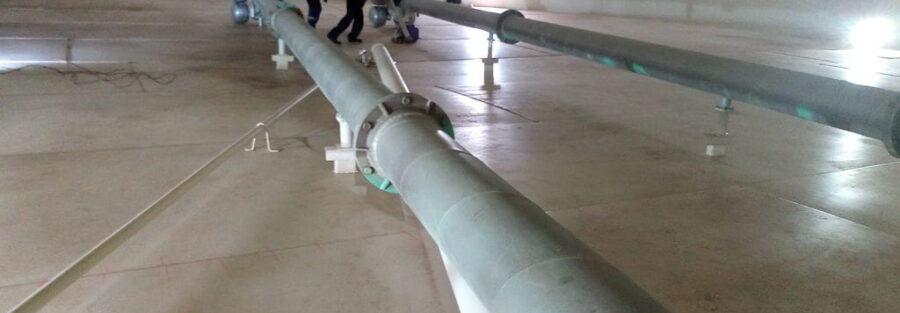
Industrial facilities rely on critical equipment such as pressure vessels, piping systems, storage tanks, and welded structures to operate safely and efficiently. Over time, these assets are exposed to corrosion, fatigue, high pressure, and harsh operating conditions that can compromise their integrity. This is where API inspection services play a vital role.
API inspection services provide a structured, standards-based approach to assessing the condition of industrial assets, ensuring they remain safe, compliant, and fit for continued operation.
What Are API Inspection Services?
API inspection services are inspections conducted in accordance with standards developed by the American Petroleum Institute (API). These standards are globally recognized and widely adopted across industries such as oil and gas, petrochemical processing, power generation, manufacturing, and infrastructure.
API inspections focus on evaluating the mechanical integrity, structural condition, and operational safety of equipment throughout its lifecycle. Inspections are performed by qualified inspectors using defined methodologies, inspection intervals, and reporting requirements.
Why API Inspection Is Critical for Industrial Operations
Industrial asset failures can result in:
- Serious safety incidents
- Environmental damage
- Costly unplanned shutdowns
- Regulatory penalties and reputational risk
API inspection services help organizations proactively manage these risks by identifying degradation, defects, and damage mechanisms before they lead to failure.
By implementing API-based inspection programs, asset owners can:
- Ensure compliance with international and local regulations
- Extend the service life of equipment
- Reduce downtime and maintenance costs
- Support informed engineering and maintenance decisions
Key API Inspection Standards Explained
API 510 – Pressure Vessel Inspection
API 510 governs the inspection of pressure vessels used in process industries. It defines inspection intervals, inspection methods, and acceptance criteria to ensure vessels can safely contain pressure during operation.
API 570 – Piping Inspection
API 570 focuses on piping systems, addressing corrosion, erosion, cracking, and other deterioration mechanisms that may affect piping integrity and leak prevention.
API 653 – Storage Tank Inspection
API 653 applies to aboveground storage tanks and covers inspections of tank shells, bottoms, roofs, and foundations. It helps prevent leaks, structural failures, and environmental contamination.
API 577 – Welding Inspection
API 577 provides guidance on welding inspection, including verification of welding procedures, workmanship, and compliance during fabrication, repairs, and maintenance activities.
API RP 580/581 – Risk-Based Inspection (RBI)
Risk-Based Inspection prioritizes inspection activities based on the likelihood and consequence of failure. RBI helps optimize inspection intervals while maintaining safety and compliance.
How API Inspection Supports Regulatory Compliance
Many regulatory bodies and insurers recognize API standards as a benchmark for safe industrial operation. API inspection documentation provides evidence that assets are being managed in accordance with recognized best practices.
Compliance with API standards supports:
- Regulatory approvals and audits
- Insurance requirements
- Internal governance and risk management
- Tender and contract qualification
The Role of Qualified API Inspectors
API inspections must be conducted by certified and experienced inspectors who understand damage mechanisms, operating conditions, and applicable codes. Qualified inspectors provide independent assessments and accurate reporting that management teams can rely on for critical decisions.
Their role includes:
- Visual and non-destructive examination
- Assessment of corrosion rates and deterioration
- Verification of compliance with codes and standards
- Clear, traceable inspection reporting
Integrating API Inspection into Asset Integrity Programs
API inspection services are most effective when integrated into a broader asset integrity management strategy. This approach ensures inspections are not reactive, but part of a long-term plan to manage risk, reliability, and lifecycle costs.
When combined with non-destructive testing, fitness-for-service assessments, and inspection planning, API inspections become a powerful tool for sustaining safe operations.